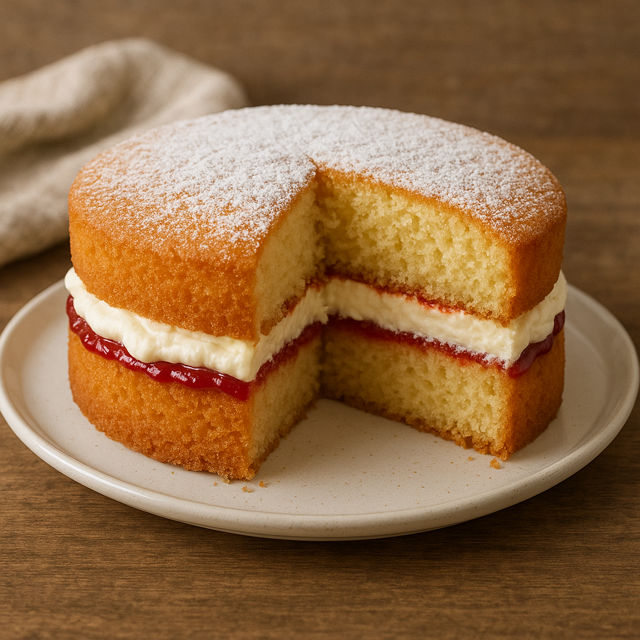
Queen Victoria's Favorite: The Timeless Victoria Sponge Cake
Few cakes evoke such a delightful sense of tradition, comfort, and simple elegance as the Victoria Sponge. A true emblem of British baking, this iconic dessert has graced tea tables for nearly two centuries, earning its place not just as a recipe, but as a cherished cultural institution. Named in honor of the monarch who adored it, the Victoria Sponge embodies an understated sophistication – a testament to the fact that sometimes, the simplest pleasures are truly the best. With its delicate, airy sponge, sumptuous layer of sweet jam, and smooth, whipped cream, it’s a cake that speaks of afternoon teas, garden parties, and generations of shared moments.
This article delves into the rich history, essential components, and subtle artistry behind the perfect Victoria Sponge. We'll explore why this seemingly modest cake captivated Queen Victoria herself and continues to charm palates worldwide, offering insights and tips to help you master this timeless classic.
The Regal History of the Victoria Sponge
The story of the Victoria Sponge is inextricably linked to the reign of Queen Victoria and the burgeoning culinary landscape of 19th-century Britain. Before this era, cakes were typically dense and yeasted. However, the Victorian age brought with it fascinating technological innovations that revolutionized baking. The widespread availability of baking powder, first patented in the mid-19th century, was a game-changer. This chemical leavening agent allowed home bakers to create lighter, softer, and more tender cakes than ever before, moving away from the heavy fruitcakes and plum puddings of previous generations.
Simultaneously, advancements in milling produced more refined flour, contributing further to the delicate texture of the emerging sponge cakes. It was amidst this backdrop of culinary evolution that the Victoria Sponge, originally known as "Victoria Sandwich Cake" or "Victoria Sandwich," rose to prominence. Queen Victoria, renowned for her love of afternoon tea, is said to have enjoyed a slice of this particular cake regularly with her tea. Her endorsement undoubtedly solidified its status, elevating it from a simple recipe to a royal favorite and, subsequently, a national treasure.
What began as a refined treat enjoyed at royal tables and aristocratic afternoon teas quickly transcended class boundaries. Its relative simplicity – relying on just four basic ingredients: eggs, sugar, butter, and flour – made it accessible to many. Soon, the Victoria Sponge was a staple at village fêtes, bake sales, and family gatherings across Britain, becoming a beloved symbol of refinement and domesticity during the Victorian era. Its enduring legacy proves that true classics, like Queen Victoria herself, stand the test of time.
What Makes a Victoria Sponge Truly Special?
At its heart, the magic of the Victoria Sponge lies in its elegant simplicity and the exquisite balance of its core elements. It's a cake that doesn't rely on complex flavors or elaborate decorations, but rather on the perfection of its fundamental components:
- The Sponge: This is the foundation, and its quality is paramount. A classic Victoria sponge should be incredibly light, airy, and tender, with a fine crumb that melts in the mouth. It's buttery and delicately sweet, providing the perfect canvas for the fillings. The traditional method involves creaming butter and sugar until pale and fluffy, then gradually incorporating eggs and flour.
- The Jam: A layer of sweet fruit jam is a non-negotiable component. While raspberry jam is the most iconic choice, its tartness providing a wonderful counterpoint to the sweetness of the cake and cream, other fruit jams like strawberry, apricot, or blackberry also work beautifully. The key is a good quality jam with a vibrant fruit flavor.
- The Cream: Smooth, lightly sweetened whipped cream completes the trinity. Its coolness and luxurious texture offer a delightful contrast to the sponge and jam. It should be whipped just enough to hold its shape, but still soft and luscious, never stiff or grainy.
The true brilliance of the Victoria Sponge is how these three simple elements come together to create something far greater than the sum of its parts. It's a symphony of textures and tastes: the softness of the sponge, the sweetness and slight tartness of the jam, and the cool richness of the cream. This delicate balance, paired with its homey charm, is why it has been a favorite through generations and remains a go-to for afternoon tea or a comforting dessert. It's a "simple pleasure" that, as Nigella Lawson aptly advises, is best savored in the moment, as its freshness is key to its allure.
Crafting Your Perfect Victoria Sponge: Tips and Variations
While the Victoria Sponge might appear straightforward, achieving that perfect lightness and balance requires attention to detail. Here are some essential tips and creative variations to help you bake a truly exceptional cake:
The Sponge: Secrets to a Light and Tender Crumb
- Quality Ingredients are Key: Start with good quality, unsalted butter at room temperature, fresh large eggs, and a good brand of self-raising flour. The better your ingredients, the better the final taste and texture.
- The Creaming Method: This is crucial. Cream the butter and sugar together thoroughly until the mixture is pale and very fluffy. This process incorporates air, which is vital for a light sponge. Don't rush this step!
- Nigella's Secret Weapon: For an exceptionally light and tender crumb, consider Nigella Lawson's brilliant addition of cornflour (cornstarch) to the flour mixture. By replacing a small portion of the flour with cornflour, you reduce the gluten development, resulting in a wonderfully delicate texture. You can learn more about this and other techniques in Nigella's Victoria Sponge: Her Secret for Exceptional Lightness.
- Gentle Mixing: Once the eggs and flour mixture are added, mix just until combined. Overmixing will develop the gluten in the flour, leading to a tougher cake. Fold gently to retain all that precious air you've creamed in.
- Even Baking: Use two identical round cake tins, ideally 8 inches (20 cm), lined with baking paper at the base. Ensure your oven is preheated to the correct temperature for even baking.
The Filling: Beyond Basic Jam and Cream
- Traditional Raspberry: For a classic experience, choose a high-quality raspberry jam with a good balance of sweetness and tartness.
- Seasonal Fruit Additions: Elevate your Victoria Sponge by adding fresh fruit alongside the jam. Sliced fresh raspberries with raspberry jam, strawberries with strawberry jam, or blackberries with blackberry jam create a delightful burst of freshness and texture. In winter, when fresh fruit might be scarce, intensify the jam by adding a good spritz of lemon juice for extra zest.
- Alternative Jams: Don't be afraid to experiment! Apricot jam offers a lovely sweetness, while a tart blackcurrant or blackberry jam can add depth.
- Perfectly Whipped Cream: Use full-fat double cream (heavy cream) and whip it until it holds soft peaks. Sweeten lightly with icing sugar (confectioners' sugar) and a touch of vanilla extract. Be careful not to over-whip, or it will become grainy.
For a step-by-step guide and more practical advice on achieving baking perfection, check out Bake the Perfect Victoria Sponge: Simple Steps for a Classic Treat.
The Victoria Sponge Experience: More Than Just Cake
The allure of the Victoria Sponge extends far beyond its delicious taste and simple ingredients. It's deeply woven into the fabric of British culinary heritage and represents a cherished ritual: the afternoon tea. To enjoy a slice of Victoria Sponge is to participate in a tradition that speaks of leisurely afternoons, good company, and a moment of pause in a busy world.
In an age where elaborate, multi-layered, and visually complex desserts often dominate, the Victoria Sponge stands out for its honest charm. It requires no fancy frostings or intricate decorations; a simple dusting of icing sugar on top is all that's needed to complete its classic look. This unpretentious elegance is perhaps its greatest strength, making it approachable for home bakers and universally appealing to eaters of all ages.
Serving a homemade Victoria Sponge is an act of love and hospitality. It's a sensory experience – from the visual appeal of its golden sponge and vibrant filling to the delicate aroma of vanilla and fresh fruit, and finally, the sublime taste of its balanced flavors. As Nigella Lawson suggests, this is a cake meant to be savored "in the moment," appreciated for its fresh simplicity rather than being prepared far in advance. It reminds us that often, the greatest joys come from the purest and most unadorned pleasures.
Conclusion
From the refined tables of Queen Victoria to countless modern kitchens and bustling cafés, the Victoria Sponge has secured its place as a truly timeless culinary icon. Its enduring popularity is a testament to the power of simplicity, quality ingredients, and a perfectly balanced flavor profile. More than just a cake, it's a comforting slice of history, a symbol of tradition, and a beacon of understated elegance. Whether you're a seasoned baker or a curious novice, creating your own Victoria Sponge is a rewarding experience that connects you to a rich heritage of British baking. So, go ahead, gather your ingredients, follow these tips, and indulge in a slice of this magnificent, classic treat – a favorite then, now, and for generations to come.
